A Guide to Your Skin Barrier: What It Does and How to Protect It

Does your skin feel like it could use a little more love? If you are dealing with dryness, sensitivity, or a routine that stopped working, your skin barrier is probably the reason nobody told you about. “What IS the skin barrier?”, you might ask. Most people have never thought about it, yet it is responsible for almost everything we care about when it comes to our skin. The glow, the smoothness, the ability to tolerate a retinol without your face getting too irritated, and many more.
We are going to get into all of it — what the skin barrier actually is, why it gets damaged in the first place, how to fix it, and the ingredients worth knowing about. Consider this your skin barrier bible. Put on your favourite sheet mask, you’re going to want to sit down for this one.
So, What Is the Skin Barrier?
Your skin barrier is the outermost layer of your skin. Think of it as your skin's natural shield: skin cells layered together with a carefully balanced mix of lipids (ceramides, cholesterol, and fatty acids) that maintains its structure and holds it all in place. When it’s strong, moisture stays locked in and everything your skin doesn't want stays out.
When this system is working well, your skin looks and feels exactly how you want it to. Calm, even-toned and as plump as a peach. Products absorb effectively, your skin tolerates actives and you start every morning with that ‘I woke up like this’ glow.
Research has shown that healthy barrier function is connected to immune regulation, inflammation responses, and even systemic health! The skin is the largest organ and its the first line of defense against free radicals (UV exposure, pollution, smoke, allergens and other environmental stressors that damage skin cells + accelerate aging). When the skin barrier is compromised, the consequences go far deeper than a bad skin day.
What Happens When Your Skin Barrier Is Compromised?
A damaged skin barrier shows up in ways that are easy to mistake for other problems. Do these sound familiar to you?
-
Dryness that won't quit, no matter how much moisturizer you apply
-
Redness, sensitivity or skin that stings when you apply products it used to tolerate fine
-
Tightness, flakiness or an uneven texture
-
A dull, flat complexion
-
Breakouts that seem to come out of nowhere
-
Existing skin conditions like eczema, rosacea, or acne flaring up and getting worse
When the barrier is compromised, it can’t hold moisture in or keep irritants out even when you are doing everything right. The structure has broken down, and everything you put on top evaporates or fails to absorb.
What Causes Barrier Damage?
Real talk, some of the most popular skincare advice out there is working against you. Here’s what might be hurting your skin barrier rather than helping it.
-
Over-exfoliation. Using acids, scrubs, or peels more than two to three times a week strips away the lipid layer faster than your skin can rebuild it. PSA: the skin takes roughly 14 days to fully renew itself.
-
Harsh cleansers. Foaming cleansers with sulfates (especially sodium lauryl sulfate) strip the skin's natural oils and disrupt its delicate lipid structure. That squeaky clean feeling after washing? That is not clean… that is stripped.
-
Active overload. Combining retinoids, vitamin C, and multiple acids in the same routine without proper recovery time is one of the fastest ways to compromise your barrier. Each ingredient individually when spaced out is completely fine. However, the cumulative disruption is what pushes your skin to barrier damage.
-
Environmental stress. Seasonal changes, dry air, humidity fluctuations, UV exposure and pollution all affect your barrier. Ontario winters are particularly brutal, months of dry indoor heating and cold outdoor air depletes the lipid layer significantly.
-
Hot showers. We know how good a steaming hot shower feels, but hot water dissolves the natural oils in your skin barrier. Lukewarm is the way to go, especially in colder months.
-
Stress. Chronic psychological stress raises cortisol levels, and elevated cortisol has been shown to directly degrade barrier function. So yes, stress really does show up on your face. Not a vibe!
How to Repair and Maintain Your Skin Barrier: A Simple Routine That Works
Now we’ve gotten to the good part: you absolutely can do something about it! It doesn’t have to be complicated. In fact, a ‘less is more’ approach is key when it comes to barrier repair. Here’s our go-to routine for healing your skin, in the proper order.
Step 1: Simplify and Cleanse Gently
Before you add anything new to your routine, simplify. If your barrier is compromised, pause any harsh treatments, exfoliating acids, extra-strong retinoids, abrasive scrubs, for at least 1-2 weeks. Your skin needs time to rebuild.
Replace your cleanser with something gentle, pH-balanced and sulfate-free. A soothing cleanser that doesn’t leave your skin feeling tight is exactly what you should be looking for. Wash with lukewarm (not hot) water. Repeat daily.
Our Picks:
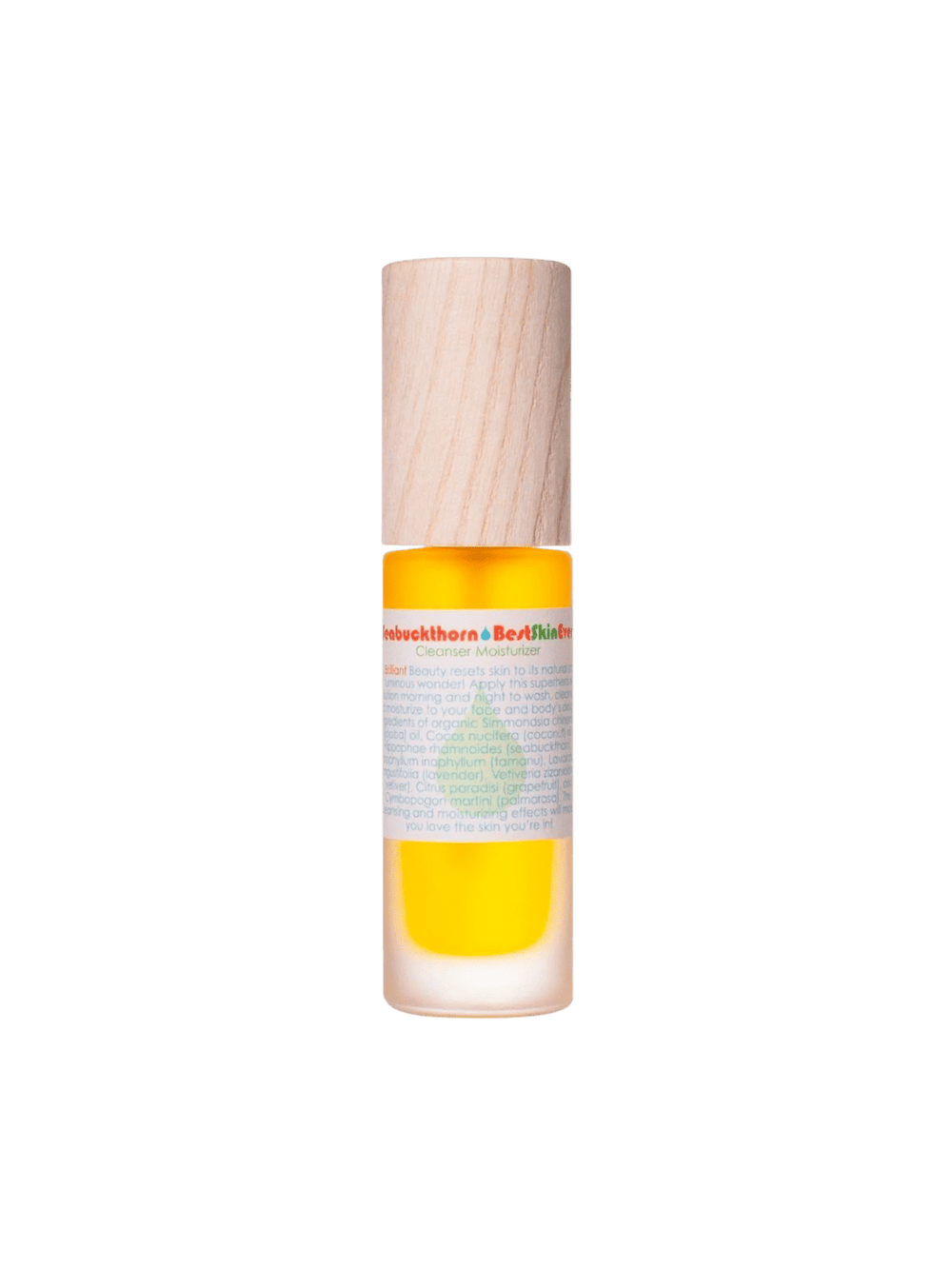
Living Libations Seabuckthorn Best Skin Ever
Beauty from Bees Face Cleanser
Step 2: Hydrate, Hydrate, Hydrate
Arguably the most important step, because a well-hydrated barrier is a strong barrier. Hydration is more than just moisture on the surface, it is about moisture that deeply penetrates. Apply your hydrating serum or cream while your skin is still slightly damp for maximum absorption. Look for ingredients like hyaluronic acid and glycerin that draw water into the skin, then follow with a moisturizer containing ceramides, fatty acids, and squalane to seal it all in.
Twentyseven Tip: For an extra recovery boost at night, try slugging. Apply a thin layer of a thick balm like Darlin’s Tallow Balm or try the Biodance Real Deep sheet mask (which is designed to be slept in) the final step of your PM routine. It locks in everything underneath and lets your barrier repair itself while you sleep. We swear by both!
Our Picks:
La Roche-Posay Cicaplast Baume B5+ Crème Ultra-Soothing Cream
Step 3: SPF Everyday
Did you know UV damage is the number one external cause of barrier breakdown? And premature aging? We promote SPF all the time, so sunscreen is not optional, it is the single most protective step you can take for your skin's long-term health. Apply it as the last step of your morning routine, every day, regardless of whether it is sunny.
Our Picks:
Bask Daily Invisible Gel SPF 40 Sunscreen
Vacation Crystal SPF 50 Face Gel
Step 4: Restore and Treat
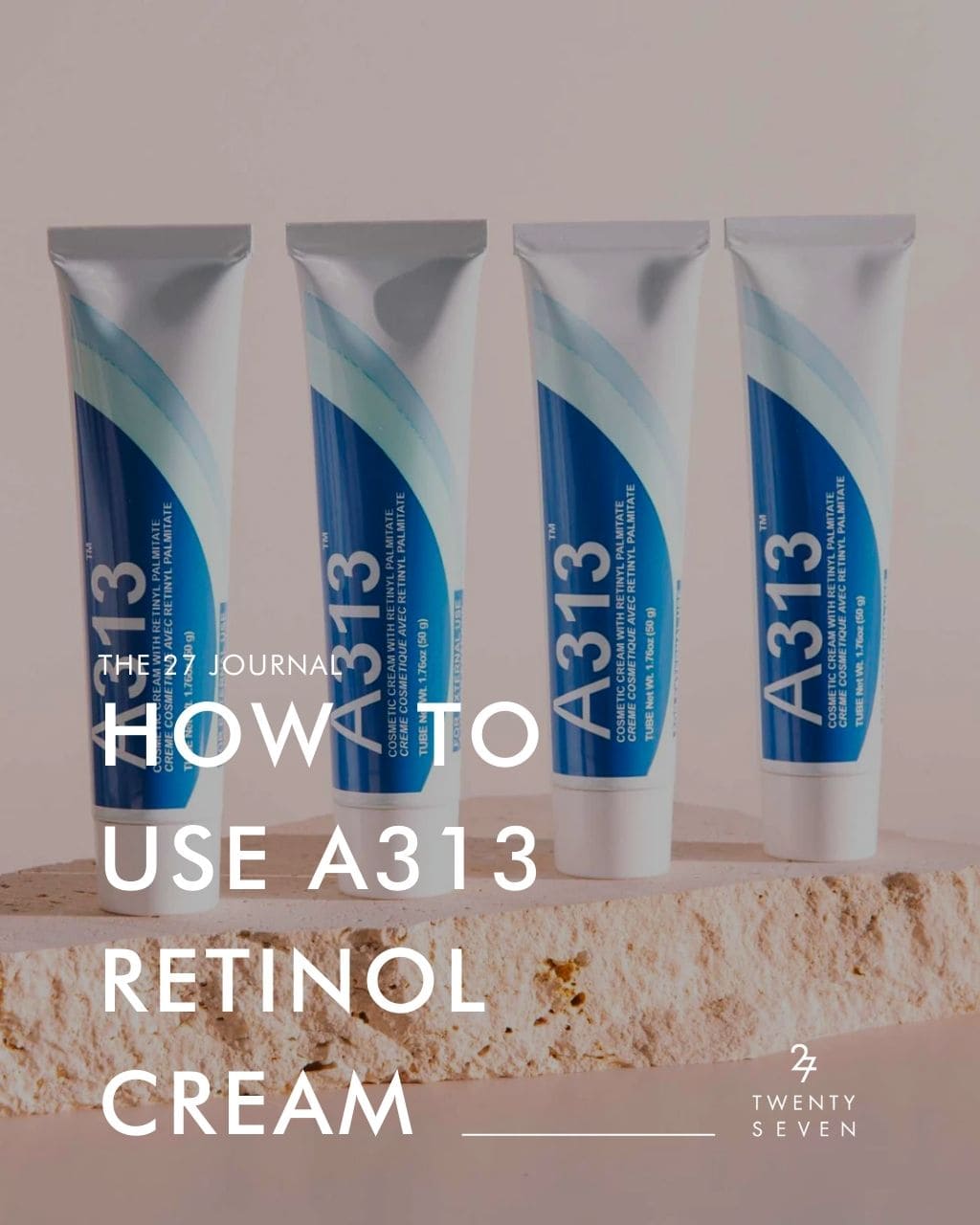
Once your barrier has begun to stabilize (usually 2-4 weeks in), you can reintroduce restorative treatments like our favourite skincare hero, A313. Vitamin A is one of the most clinically proven ingredients for cellular renewal, collagen stimulation, and long-term skin quality, but it needs to be introduced slowly. Freshly cleansed skin absorbs actives best, so the optimal moment to treat is after using cleanser.
We always recommend A313, our beloved gentle French pharmacy retinoid. Packed with 200,000 IU of vitamin A, it works overnight to accelerate cell turnover and restore skin quality without the harshness of prescription-strength retinoids. Start twice a week at night and build from there.
Bonus: Ingredients Worth Knowing About
Avoid the noise, here are the ingredients that are worth knowing when you are repairing your skin barrier.
-
Ceramides
Ceramides are the most important lipid in your skin barrier. They make up roughly 50% of the barrier's lipid content and are responsible for its structural integrity. When ceramide levels drop (through aging, environmental stress, or harsh skincare), the barrier literally starts to fall apart. Topical ceramides have been clinically shown to replenish the lipid matrix and restore barrier function. Look for products that list multiple ceramide types (ceramide NP, AP, EOP) alongside cholesterol and fatty acids for the most effective barrier repair.
Our picks for ceramides:
Biodance Hydro Cera-nol Real Deep Sheet Mask
Vintage Noon Vacation Skin Redness Recovery Overnight Mask and Moisturizer
-
Hyaluronic Acid
A naturally occurring humectant that can hold up to 1,000 times its weight in water, hyaluronic acid draws moisture from the environment and deeper layers of skin to the surface. It plumps, supports barrier recovery and because it is naturally present in the skin, it is absorbed extremely well. Apply it to damp skin and always seal it with a moisturizer on top so it doesn't draw moisture out of the skin on dry days.
Our picks for hyaluronic acid:
Biodance Bio - Collagen Real Deep Mask
Beauty from Bees Face Serum (Day, Hyaluronic 2%)
-
Niacinamide (Vitamin B3)
Niacinamide is a powerhouse ingredient for the skin. It strengthens the barrier by stimulating the skin's own ceramide production. It also reduces inflammation, minimizes pores, fades hyperpigmentation, and regulates oil production. It plays well with almost every other ingredient in your routine and is gentle enough for daily use on sensitive skin.
Our picks for niacinamide:
LOOPS Hyper Smooth Single Mask
Midnight Cosmetics Body Serum 00.17
Vitamin A (Retinol / Retinoids)
Vitamin A is the gold standard for long-term skin restoration. It accelerates cell turnover, stimulates collagen production, addresses acne, hyperpigmentation, fine lines, and enlarged pores. When used correctly, it improves overall skin quality and resilience over time. The key word is correctly. Vitamin A needs to be introduced slowly (start once or twice a week at night), never combined with AHAs or BHAs in the same evening, and always followed by SPF in the morning. If you know us, you know our tried and true is A313. Effective without being aggressive and you’ll visibly see changes with consistent use.
Fatty Acids and Squalane
Essential fatty acids (linoleic acid, oleic acid, and others) are structural components of the barrier's lipid matrix. When they are depleted, the barrier becomes permeable and moisture escapes more easily. Squalane is a lightweight, non-comedogenic oil derived from sugarcane or olives that mimics your skin's own sebum, locks in hydration, and strengthens the lipid matrix without ever clogging pores. It is the finishing touch that makes every routine feel more effective.
Our picks for fatty acids:
Living Libations Seabuckthorn Best Skin Ever
Ingredients to Avoid When Your Barrier Is Compromised
While your barrier is healing, give these a break: sulfate-based cleansers, alcohol-based toners, fragrance-heavy products, physical scrubs, high-strength AHAs and BHAs used daily, and layering multiple strong actives at once.
The Barrier Breakdown
TL;DR: Your skin barrier is the foundation of everything! Protect it, hydrate it and stop throwing every active ingredient at it all at once. If you walk away with one thing, it’s to simplify your routine. Consistency beats intensity every time, cleanse gently, treat your skin to ceramide rich creams and a good SPF. Give it a month of intentional consistency and your future skin will thank you.
Shop our skin barrier essentials below!
POPULAR POSTS